What is an energy performance certificate?
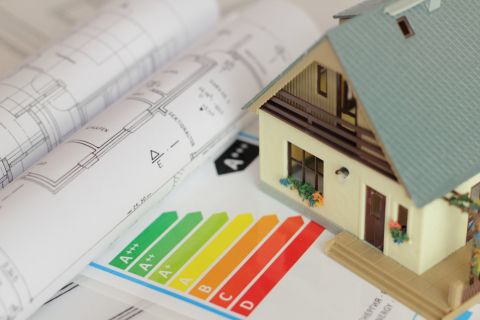
An EPC is a document that provides an assessment of a property’s energy efficiency rating. It evaluates how energy efficient a building is by assigning an energy rating on a scale from A to G, with A representing the highest level of efficiency and G the lowest. The certificate also includes estimated energy bills, and recommendations for energy efficiency measures that could improve the property’s performance.
In the UK, an EPC is a legal requirement in several situations. Landlords must obtain a valid EPC before marketing a property for rent and must provide the certificate to prospective tenants. EPCs are also required when selling a property or constructing a new building. For rental properties, the EPC provides evidence that the property meets the required minimum energy efficiency standards set out in current regulations.
What is the minimum EPC rating?
The minimum energy efficiency standard for rented residential property in England and Wales is currently an E rating on the EPC. This requirement forms part of the Minimum Energy Efficiency Standards (MEES) regulations, which set the minimum energy efficiency level a property must achieve before it can be legally rented out.
Under these regulations, landlords are generally prohibited from granting a new tenancy or continuing to let a property that has an EPC rating below E, unless a valid exemption has been registered on the government’s PRS Exemptions Register. The purpose of this minimum energy efficiency standard is to improve the energy performance of rented properties and reduce energy consumption across the private rented sector.
If a property falls below the required minimum energy efficiency level, landlords may need to carry out improvements such as upgrading insulation, improving heating systems or installing more energy-efficient windows before the property can be lawfully let.
Failure to comply with the minimum energy efficiency standard can result in enforcement action from the local authority. Landlords who continue to rent out properties that do not meet the required minimum energy efficiency level may face financial penalties and restrictions on letting the property until the required improvements are completed or a valid exemption is in place.
When should you renew an energy performance certificate?
An EPC is valid for 10 years from the date it is issued. Landlords should renew the certificate once it expires if they intend to continue marketing or letting the property. A new EPC may also be obtained earlier if energy efficiency improvements have been carried out, as an updated assessment may result in a higher rating. While there is no requirement to renew the certificate during an existing tenancy, a valid EPC must be in place before the property is advertised for a new tenant or when a new tenancy agreement is granted. If the certificate has expired at that point, the landlord must arrange a new assessment before marketing the property.
What are the energy performance certificate landlord costs?
The cost of obtaining an EPC is usually paid by the landlord. Prices vary depending on the size, location and type of property, although most domestic EPC assessments in the UK typically range from around £60 to £120. The assessment must be carried out by an accredited energy assessor, who will inspect the property and produce the certificate and accompanying recommendations report. As an EPC remains valid for 10 years, the cost is usually a periodic expense rather than a recurring annual requirement.
Do I need an energy performance certificate if I live in the property?
In many cases, an EPC is not required if you live in the property and are not renting it out or marketing it for sale. EPC requirements generally apply when a property is being sold, rented or constructed, as the certificate provides information about the building’s energy efficiency for prospective buyers or tenants.
However, if you live in the property and choose to rent out part of it, such as a room to a lodger, the requirements can depend on the arrangement. For example, if the property is let as a separate dwelling or forms part of a formal tenancy agreement, an EPC may be required. If the arrangement is a lodger agreement within your main residence and the tenant shares facilities with you, an EPC is often not required.
Landlords should also be aware that if the property is later marketed for rent or becomes a self-contained rental unit, an EPC will normally be required before it is advertised. Checking the specific circumstances of the letting arrangement can help determine whether an EPC is necessary.
How AST Assistance helps landlords with EPC requirements
Understanding EPC obligations forms part of a landlord’s wider compliance responsibilities. AST Assistance supports landlords by providing clear guidance on how EPC requirements apply to their rental properties and how these rules interact with broader tenancy management obligations.
Our team can help you review whether your property meets the required minimum energy efficiency standards, explain how EPC regulations affect your ability to grant or renew a tenancy, and advise on the steps to take if your property falls below the required rating. Where necessary, we can guide you through the options available for addressing compliance issues, including registering exemptions or planning appropriate improvements.
AST Assistance also works with landlords to make sure that EPC documentation is properly considered alongside other legal requirements connected to renting out property. This includes advising on the documents that must be provided to tenants, how EPC ratings can affect tenancy arrangements and what obligations apply when marketing or re-letting a property.
By supporting landlords with practical compliance advice, AST Assistance helps you manage your responsibilities confidently while reducing the risk of regulatory issues affecting your tenancy. For further guidance, contact us on 01706 619954 or fill out an online contact form to discuss your situation with our team.