At a glance: reporting and dealing with an anti-social tenant
If a tenant is causing anti-social behaviour, act on evidence rather than assumptions.If a tenant is causing anti-social behaviour, start by establishing the facts. Keep a detailed record of incidents, gather supporting evidence from neighbours, the police or local council, and review the tenancy agreement before deciding what action to take.
For lower-level disputes, warnings or mediation may help. Where behaviour is serious or persistent, you may be able to seek possession under Ground 14, while specified serious criminal behaviour may fall under Ground 7A.
You must still follow the correct legal process. AST Assistance can help you assess the evidence, identify the appropriate possession ground, prepare notices and support you through possession proceedings.
What counts as anti-social behaviour from a tenant?
Anti-social behaviour is more than ordinary neighbour disagreement. It can include conduct that causes, or is likely to cause, harassment, alarm or distress, as well as nuisance or annoyance connected with the occupation of residential premises.
Examples may include:
- Loud music or persistent excessive noise.
- Verbal abuse, threats or harassment.
- Drug dealing or other criminal behaviour.
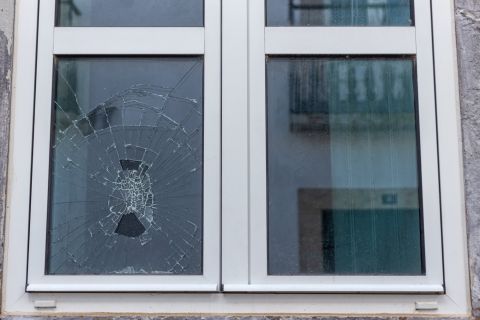
- Property damage or vandalism.
- Fly-tipping, littering or dog fouling.
- Repeated behaviour causing distress to neighbours or the local community.
Not every complaint will amount to actionable antisocial behaviour. Normal household activity, such as children playing, should not automatically be treated as a tenancy breach. Consider the seriousness, frequency and impact of the behaviour.
Government guidance on reporting antisocial behaviour explains the main routes available depending on the type of conduct involved.
How do I report a nuisance tenant?
If you are looking to report antisocial behaviour, the correct route depends on what the tenant is alleged to have done.
For serious criminal behaviour, threats, actual violence or immediate danger, contact the police. Call 999 in an emergency. Less urgent criminal or anti-social behaviour can be reported through the appropriate police non-emergency route.by calling 101 or using your local police force's online reporting service.
The local council may be the appropriate contact for persistent noise, environmental nuisance, fly-tipping or other behaviour affecting the wider area. The government guidance explains which agency to contact for different types of conduct. Keep your own written record as well, as reports to the police or local authority do not replace evidence needed for any later possession action.
What evidence should landlords collect?
Evidence is central when dealing with antisocial behaviour. A general statement that a tenant is causing nuisance is less useful than a clear chronology showing what happened, when it happened and who was affected.
Useful evidence can include:
- An incident diary with dates and times.
- Written complaints from neighbours.
- Witness statements.
- Police or local council reference numbers.
- Photographs or recordings obtained lawfully.
- Emails, messages and letters concerning the behaviour.
- Evidence of property damage.
- Copies of warnings sent to the tenant.
Keep records of all communications. AST Assistance's landlord-tenant dispute service can help landlords assess complaints, organise evidence and decide what action is proportionate.
Are landlords responsible for their tenant's anti-social behaviour?
A private landlord is not automatically responsible for every act committed by a tenant. However, repeated complaints should be investigated where the conduct may amount to a breach of the tenancy agreement or create ongoing risk. Review the tenancy terms, establish the facts and communicate the concerns clearly.
AST Assistance can advise on landlord legal responsibilities and the steps available where a tenant's conduct is affecting the tenancy.
What should a landlord do before considering eviction?
Where there is no immediate safety risk, an effective first step may be to raise the complaint directly and give the tenant an opportunity to respond. Any written warning should identify the behaviour complained of, the relevant tenancy terms and what needs to change.
There is no fixed number of warnings that every landlord must give before taking action. The appropriate response depends on the seriousness of the behaviour, the evidence available and the possession ground being considered.
For lower-level disputes, tenant mediation services may help resolve persistent noise, communication problems or neighbour disputes before legal action becomes necessary.
Can a tenant be evicted for antisocial behaviour?
Yes, a landlord can seek possession for anti-social behaviour, but the correct legal process must be followed. Our guide to Section 8 landlords' rights explains the wider possession framework.
Using Ground 14 for anti-social behaviour
Ground 14 is the main discretionary Section 8 ground for nuisance and antisocial behaviour. It can apply where the tenant, someone living with them or a visitor has committed relevant anti-social behaviour. The conduct can also take place near the rental property rather than inside it.
Under the current government guidance on possession grounds, a landlord can apply to court immediately after serving notice under Ground 14. However, the court cannot make a possession order until at least 14 days after notice was given.
Because Ground 14 is discretionary, the landlord must prove the behaviour and satisfy the court that it is reasonable to grant possession. Strong evidence is therefore essential.
Our guide to eviction for anti-social behaviour explains this possession route in more detail.
What about serious criminal behaviour under Ground 7A?
Ground 7A is a narrower mandatory ground for specified severe antisocial or criminal behaviour, including certain convictions, breaches of qualifying orders and some closure order cases. The Renters' Rights Act 2025 explanatory notes confirm that proceedings can begin immediately, although the court cannot make the possession order until 14 days after notice was given.
Can Ground 12 also apply?
If the tenancy agreement prohibits nuisance or anti-social behaviour, Ground 12 (breach of a tenancy term other than rent) may be relied on alongside Ground 14. It is also discretionary and requires two weeks' notice.
Why does evidence matter in an anti-social behaviour possession claim?
A possession claim needs more than repeated complaints. The court may need to understand what happened, how often, who was affected and what the landlord did in response. Police reports, council records, witness statements, written warnings and incident logs can help establish that pattern and address denials. Avoid unsupported accusations; clear evidence is particularly important where the court must decide whether possession is reasonable under Ground 14.
What if repeated reports are not being acted on?
Where persistent antisocial behaviour has been reported but the response from agencies has not resolved it, an Anti-Social Behaviour Case Review may be available. This was previously called the Community Trigger.
The government's ASB Case Review guidance explains that victims can request a multi-agency review where the locally defined threshold is met. The process can involve the council, police and other relevant bodies reviewing what action has already been taken and whether further steps are appropriate.
How can AST Assistance help with a nuisance tenant?
AST Assistance works exclusively with landlords and can help where nuisance complaints may require formal action. We can:
Review complaints and supporting evidence.
- Assess possible tenancy breaches and possession grounds.
- Prepare formal correspondence and warnings.
- Consider mediation where appropriate.
- Prepare the correct Section 8 notice.
- Support possession proceedings where the behaviour continues.
- Instruct trusted independent solicitors for court action where required.
Our landlord legal advice service can help you decide whether informal action, mediation or possession is the most appropriate next step.
If you need help with how to report a tenant for persistent anti-social conduct, AST Assistance can assess the circumstances and help you build a clear course of action.
Call AST Assistance on 01706 619954 or use our online contact form to discuss your case.